
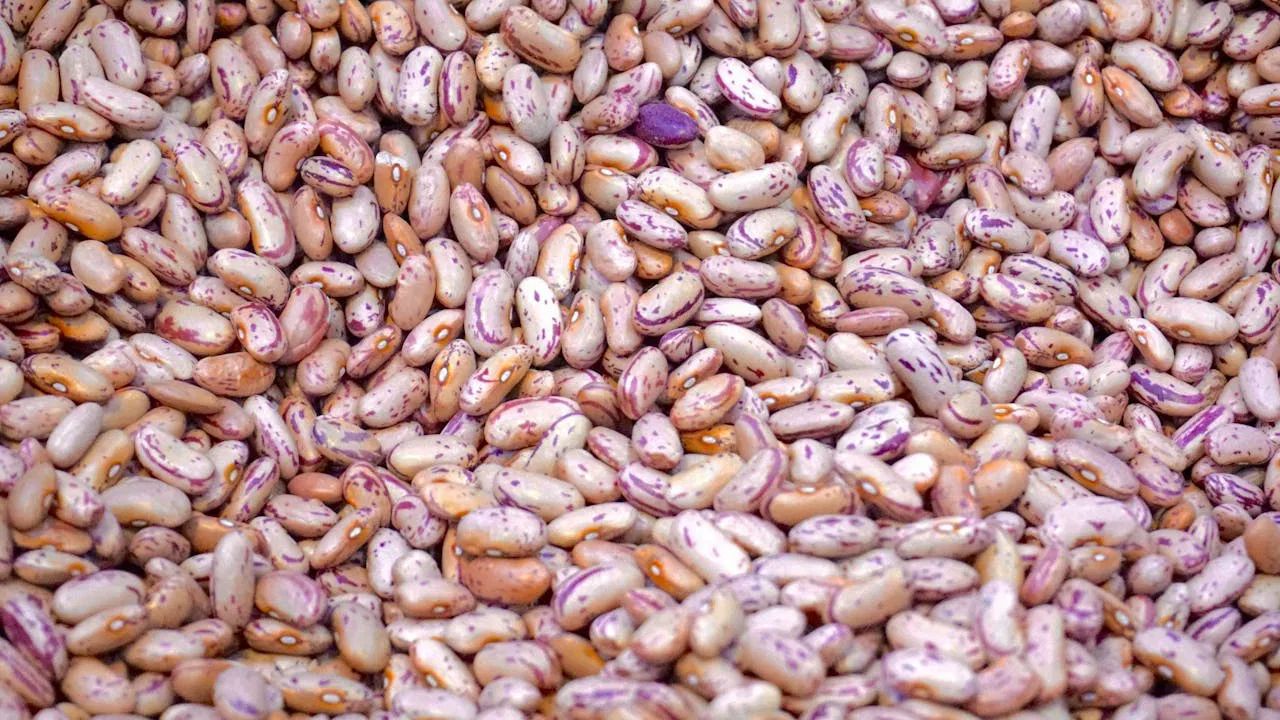
What’s the consensus? Do we really have to soak beans? Is it a requirement? Will the beans not cook if we don’t soak them? Of course, they will cook.
Some people argue that you don’t have to, and some deem it a necessary step not to ever skip.
To the average lazy person, it felt natural that the reason we soak beans is just to reduce the cook time, which is true, but not the entire reason.
And you can also argue like this: if you don’t wanna soak them, then just cook them longer…which also makes sense from that standpoint.

Except, soaking beans is not just about reducing cook time.
There are other reasons 2 or 3 why soaking beans is necessary! And we will talk about all that in this post!
Reasons For Soaking Beans
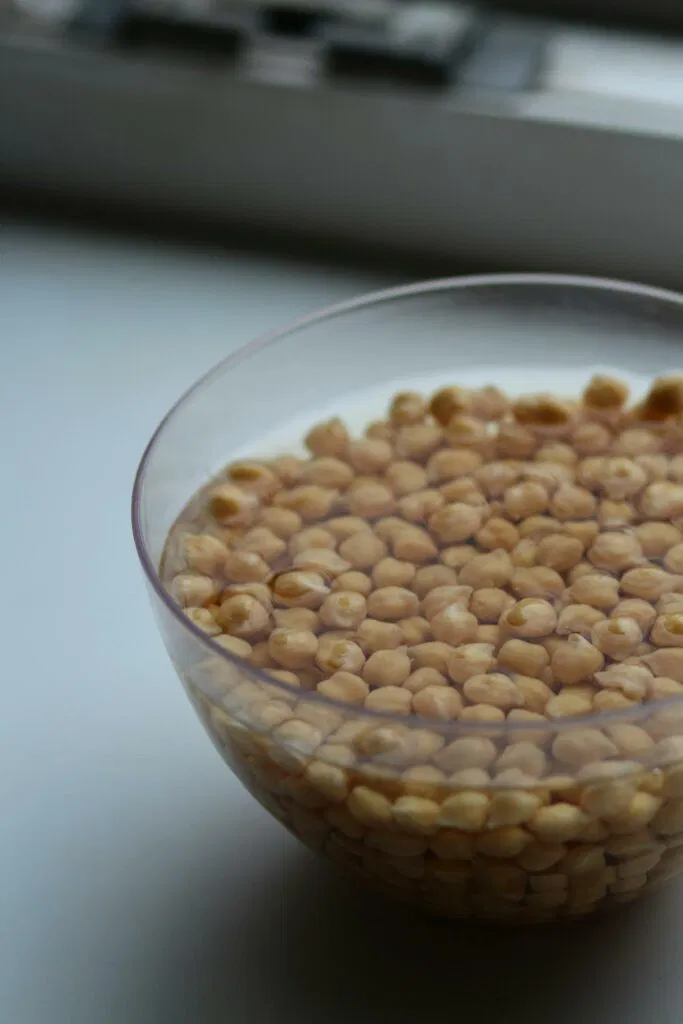
Soaking is a gentler means of rehydrating the dried-up beans.
You can obviously just cook them from dry, but soaking ahead of time overnight will result in both fewer split open skins and, most importantly, more uniform cooking.
I have tried pressure cooking beans all the time, different varieties and they just always cooked unevenly.
I was starting to point fingers at my pressure cooker.
The bottom is always cooked to mush while the top is just uncooked, like how does that even happen?
But those reasons aside, here are more….
1. Reduce Cooktime
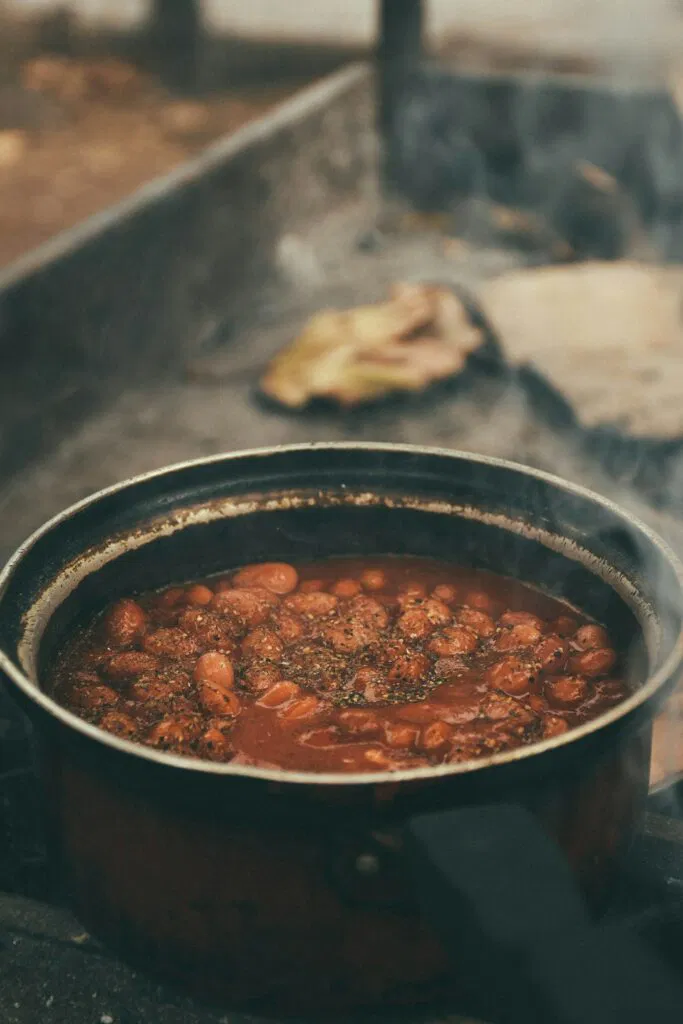
Soaking rehydrates before cooking, and rehydration needs to happen either way before cooking happens.
So if you do it before the cooking process, you are already skipping a step, as the beans will go directly to the cooking stage, since they are pre-soaked
Reducing cook time will save time in the future and energy use
If you don’t wanna save time, say you are using a slow cooker/crockpot anyway, it’s still a good idea to soak your beans for other reasons below
2. Digestion Aiding
I always heard that soaking beans helps them make you less gassy or constipated, and in my case, I can tell a day-night difference
If you always have one or two in the fart chambers ready to deploy after eating beans yeah, then you are the type who is supposed to soak your beans
Soaking beans breaks down oligosaccharides (carbs) that give some people gas.
If you further add a pinch of baking soda to your beans, it can help with digestion.
Baking soda helps break down some of the beans’ natural gas-producing carbs.
And in case you didn’t know, beans are about 2/3 carbs and 1/3 proteins.
If you soak your beans and use baking soda but still get gas, then there is no hope for you…just give up on beans already 🥀🥀
“Food Poisoning”
Soaking is also but mainly about removing the toxins and rendering the beans safe to eat.
Yes, you can get sick by just skipping soaking your beans! Just not everyone, some people, and not just every bean variety….but some
Beans contain a naturally occurring toxic compound called lectins.
Some types of beans (especially red kidney) contain a very high amount of the toxin, which can give you food poisoning (abdominal pains, vomiting, diarrhea).
Although lower servings will likely give you gas and some stomach discomfort.
The toxins are water-soluble, so they will dissolve in the soaking water, which you should then discard.
Don’t cook your beans in the soaking water
The FDA recommends that you soak the beans for at least 5 hours (and then drain the water).
You can also destroy the toxin by boiling the beans at 100 °C / 212°F for at least 10 minutes, if you are still stubborn about soaking your beans.
Some people are especially sensitive to lectins (especially those with FODMAP sensitivity.
You can try adding some baking soda to the beans when you soak them (1 teaspoon per 4 qts/3L of water).
If you’re using a crockpot and didn’t soak your beans, it’s even worse, as the crockpot doesn’t heat up to the 212°F temperature to destroy the lectins that give you gas, especially if you’re cooking on a low setting.
If you’re cooking red kidney beans, they have a high enough amount of the compound that they can actually give you food poisoning. So soak your beans
Mineral Absorption
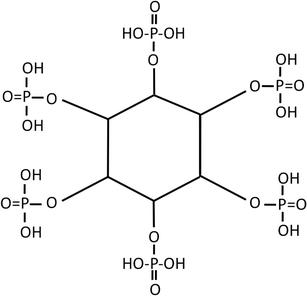
Another reason to soak the beans is that the phytic acid in them can interfere with mineral absorption.
You need to get as much nutrition as possible from your food. Soaking reduces this effect, similar to cooking spinach instead of eating it raw.
How to Soak?
Any saltwater soak is better than nothing. It’s also referred to as a brining soak
Yeah, you can cook good beans without the soak, but the texture and flavour difference is so nice that I would take even an hour over nothing. That’s just me, though
Another option is power soaking or a quick soak if you don’t have the hours to wait for a normal soak or an overnight one.
It takes just a few minutes, and you basically need to bring the beans to a rapid boil for 15 minutes, then drain and rinse. And proceed to cook as normal, in a crockpot, stovetop, or an Instant Pot
How Long to Soak Them?
Texture and flavor change depending on time, but it is not such a tremendous difference.
Most recipes call for 8 hours or overnight, some 6, some 4. It really doesn’t make a big difference between the hours.
Only the first 2 hours are when you notice much of a change. Here is when the beans are actively absorbing the water and swell up and become spongy.
Anything beyond 2 hours is okay, but ideally 4 hours, unless you are power soaking, then it’s minutes in that case
Beans Burst While Soaking….
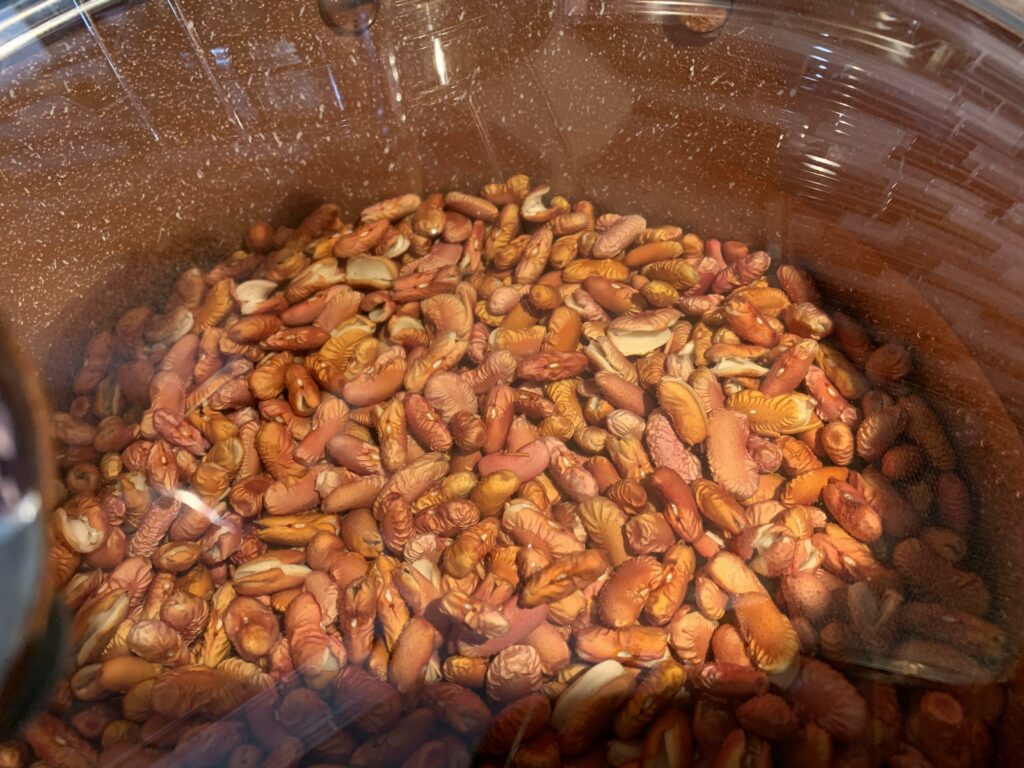
To prevent beans from bursting while soaking and cooking, always salt your soaking water. Just go with the brining soak
Adding about one tablespoon of kosher salt per quart (15 g per liter) of water allows sodium ions to replace calcium and magnesium in the bean skins, which helps the beans absorb water more evenly.
Beans soaked in salted water swell proportionally, resulting in tender, creamy, and intact beans that are less likely to burst.
Lightly seasoning the cooking water as well enhances flavor without over-salting.
This method produces consistently well-cooked beans with minimal skin rupture.
What Needs Soaking Then?
Not all bean types need soaking, as for the kidney varieties, red and white, you should definitely soak them, same with soy beans, pinto, and unsplit chickpeas
Things like split chickpeas and lentils tend to get mushy instead
In Conclusion?
In the end? Always soak.
There is just more than one reason to soak your beans, so I see no reason to skip that.
Simple Green Lentil Soup (Mediterranean)
Leave a Reply